

Is dropshipping dead in 2026? It’s a question flooding entrepreneur forums, Reddit threads, and YouTube comments. With so many dropshipping myths circulating online, from claims that the market is completely saturated to beliefs that you need tens of thousands to start, it’s nearly impossible for aspiring business owners to separate fact from fiction.
The truth? Dropshipping isn’t dead, but the landscape has evolved significantly. What worked in 2020 won’t cut it in 2026. While generic stores selling cheap products struggle to survive, specialized dropshipping businesses in profitable niches continue to generate substantial revenues.
In this guide, we’re debunking seven of the most common dropshipping myths with real data, current statistics, and examples from successful 2025-2026 stores. Whether you’re wondering if dropshipping is still profitable, questioning startup costs, or concerned about competition, we’ll give you the facts you need to make an informed decision.

Key Takeaways
- The global dropshipping market reached $351.8 billion in 2024 and continues growing, proving the model is far from dead.
- Success now requires strategic niche selection, reliable suppliers and professional fulfillment rather than passive income approaches.
- Startup costs for dropshipping typically range from $500-$2,000, not the tens of thousands some myths suggest
- US-based fulfillment through hybrid models enables 2-4 day delivery speeds without relying solely on China shipping.
- Most dropshipping failures occur within the first six months due to unrealistic expectations, not market saturation.
- Profit margins of 15-30% are standard when businesses focus on value rather than competing purely on price.
- Legal dropshipping operates transparently with proper business registration, tax compliance and clear customer policies.
The State of Dropshipping in 2026: Market Reality
Before diving into specific myths, let’s establish what’s actually happening in the dropshipping market. According to Grand View Research, the global dropshipping market size reached $351.8 billion in 2024 and is projected to grow at a compound annual growth rate of 23.4% through 2033 (Grand View Research, 2024). This trajectory suggests the market will surpass $2.2 trillion within the next decade.
These numbers directly contradict the “dropshipping is dead” narrative. The model continues expanding, driven by increasing internet penetration, smartphone adoption and the ongoing shift toward online shopping across global markets. However, market maturity has brought changes. Competition has intensified in popular categories, customer expectations for delivery speed have risen and successful businesses now require more sophisticated operations than in dropshipping’s early days.
The businesses thriving in 2026 treat dropshipping as a legitimate e-commerce operation requiring strategic planning, quality suppliers and excellent customer service, not as a passive income scheme promising overnight riches.

Myth 1: Dropshipping is Dead in 2026
The Claim: “Everyone’s doing dropshipping now. The market is oversaturated and there’s no money left to make.”
The Reality: Market data tells a completely different story. The dropshipping industry is experiencing robust growth, not decline. While some product categories have become competitive, new opportunities are constantly emerging as consumer preferences evolve and new products enter the market.
A Reddit discussion in r/dropship from late 2025 highlighted this reality. Multiple established sellers confirmed they’re still generating five and six-figure monthly revenues by focusing on specialized niches rather than generic products. One seller noted: “Everyone claiming dropshipping is dead is selling courses or quit after trying for three weeks.”
What has changed is the barrier to success. Generic stores selling identical products from AliExpress face intense competition. However, businesses that identify specific customer problems, source quality products and provide excellent service continue to thrive. The “saturation” myth confuses overall market size with specific niche competition.
Consider these factors driving continued growth:
- New products launch constantly, creating fresh opportunities before markets become crowded
- Consumer behavior shifts open new niches (sustainable products, health tech, remote work equipment)
- Geographic expansion into emerging markets provides untapped customer bases
- Platform diversification (TikTok Shop, Instagram Shopping) creates new sales channels
The key difference in 2026 is that success requires strategic thinking rather than simply copying competitors. Businesses must differentiate through faster shipping, better customer service, superior product information, or niche expertise that generic stores can’t match.

Myth 2: It’s a Get-Rich-Quick Scheme
The Claim: “Dropshipping offers easy passive income. Set up a store, run some ads and watch money roll in while you sleep.”
The Reality: This myth causes more business failures than any other misconception. Successful dropshipping requires consistent effort, strategic planning and patience to build sustainable operations.
Data from industry surveys indicates that most profitable dropshipping stores take six to twelve months to achieve consistent monthly profits. The first three months typically involve learning, testing products and building initial traffic. Months four through six focus on optimizing successful products and scaling marketing. Sustainable profitability usually emerges after twelve months of dedicated work (Shopify, 2024).
Consider realistic profit timelines:
- Months 1-3: Testing phase, minimal profits, learning operational basics
- Months 4-6: First profitable products identified, revenue growing but inconsistent
- Months 7-12: Consistent monthly profits, established customer base, optimized operations
- Year 2+: Scaled revenue, brand recognition, repeat customer revenue
The businesses that succeed treat dropshipping as a real business requiring daily attention to customer service, marketing optimization, supplier management and operational improvements. Those expecting passive income inevitably become discouraged when results require sustained effort.
Realistic expectations matter tremendously for long-term success. Approach dropshipping as you would any business venture, understanding that initial investments of time and money will compound into valuable assets over time rather than generating immediate returns.

Myth 3: You Need Thousands to Start
The Claim: “Starting a dropshipping business requires massive upfront investment in inventory, website development and advertising.”
The Reality: One of dropshipping’s genuine advantages is its relatively low barrier to entry compared to traditional retail. While you’ll need some capital, the investment is far lower than the thousands some myths suggest.
Realistic startup costs for dropshipping typically include:
- E-commerce platform subscription: $29-$79 monthly (Shopify, WooCommerce)
- Domain name and basic branding: $50-$200
- Initial product samples for quality verification: $100-$300
- Initial marketing budget: $300-$500
- Miscellaneous tools and apps: $50-$200
Total realistic startup investment: $500-$2,000
Realistic Dropshipping Startup Costs
| Expense Category | Estimated Cost |
|---|---|
| E-commerce platform | $29-$79/month |
| Domain & branding | $50-$200 |
| Product samples | $100-$300 |
| Initial marketing | $300-$500 |
| Tools & apps | $50-$200 |
| Total Investment | $500-$2,000 |
This initial investment covers launching a professional store and testing initial products. As revenue begins flowing, reinvest profits into expanding product lines and increasing marketing budgets rather than requiring large upfront capital.
The key is starting lean and scaling systematically. Many successful dropshippers began with minimal budgets, tested products carefully, reinvested early profits and grew operations incrementally. This measured approach reduces risk while building sustainable business foundations.
However, undercapitalization causes problems too. Starting with an insufficient budget for quality samples, professional store design, or initial marketing tests makes success unnecessarily difficult. Plan for realistic costs while avoiding the myth that success requires five-figure investments.
Myth 4: You Must Dropship from China
The Claim: “Dropshipping means long shipping times from China. Customers have to wait weeks for products.”
The Reality: While China remains a major manufacturing hub, modern dropshipping offers multiple fulfillment options, including US-based warehouses that enable 2-4 day delivery speeds.
The hybrid fulfillment model has transformed dropshipping logistics. This approach sources products from cost-effective manufacturing regions but stores inventory in domestic warehouses near customer populations. Orders ship from local facilities, delivering the fast shipping modern customers expect while maintaining the economic advantages of international sourcing.
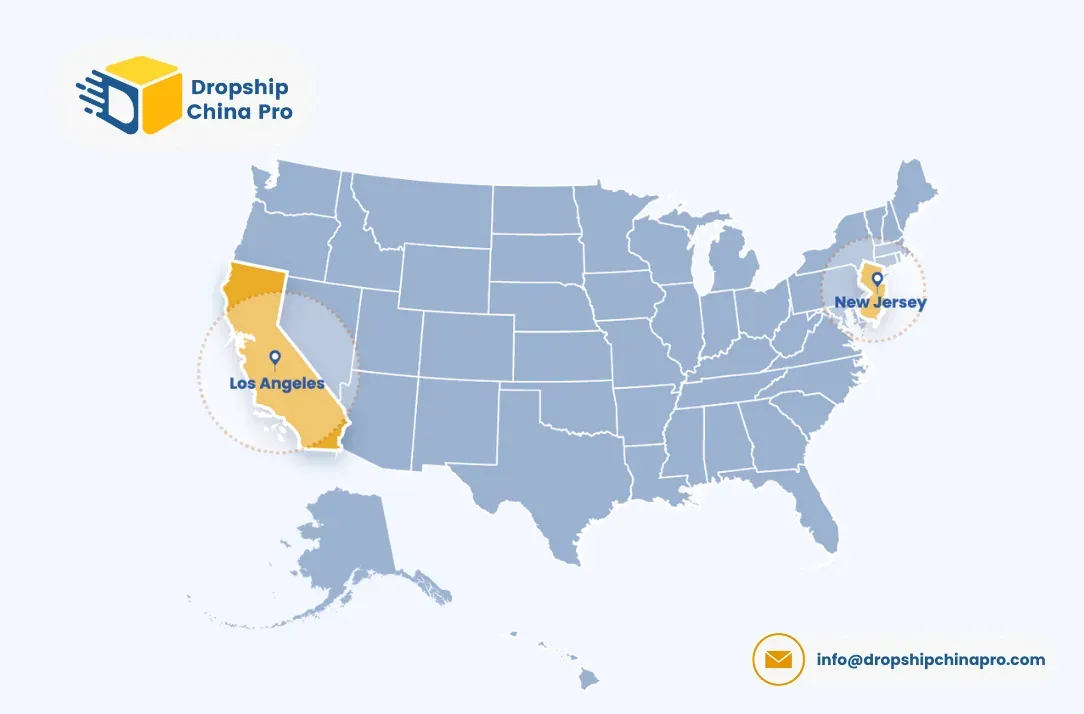
Dropship China Pro pioneered this hybrid approach through strategically positioned warehouses in Los Angeles and New Jersey. Products manufactured in China ship in bulk to these US facilities, then fulfill individual orders with 2-4 day delivery times. This infrastructure enables small businesses to compete with major retailers on shipping speed without premium costs.
The benefits of hybrid fulfillment include:
- Delivery times: 2-4 days instead of 2-4 weeks
- Customer satisfaction: Meeting modern delivery expectations
- Return rates: Lower due to faster delivery and better quality control
- Competitive advantage: Matching or exceeding competitor shipping speeds
For businesses serving US customers, domestic fulfillment has become essential rather than optional. Customer expectations now mirror Amazon Prime standards, making week-long delivery times increasingly unacceptable except for specialty products where customers willingly wait.

Myth 5: Dropshipping is Illegal or Scammy
The Claim: “Dropshipping is illegal or exists in a legal gray area. It’s basically a scam.”
The Reality: Dropshipping is a completely legitimate business model used by retailers ranging from small entrepreneurs to major corporations. The confusion stems from unethical operators who give the model a bad reputation, not from any legal issues with dropshipping itself.
Legal dropshipping requires the same compliance as any e-commerce business:
- Proper business registration and licensing
- Accurate product descriptions and honest marketing
- Clear policies on shipping times, returns and refunds
- Tax collection and remittance according to local laws
- Transparent terms of service and privacy policies
Problems arise when sellers misrepresent products, hide shipping times, refuse legitimate returns, or engage in deceptive marketing. These practices are illegal regardless of business model. Ethical dropshippers operate transparently, set clear customer expectations and stand behind their products.
Major e-commerce platforms, including Shopify, WooCommerce and Amazon all support dropshipping models. These platforms wouldn’t facilitate illegal business activities. The legitimacy of your dropshipping operation depends entirely on how you conduct business, not on the fulfillment model itself.
Myth 6: You Can’t Compete with Amazon
The Claim: “Amazon dominates e-commerce. Small dropshippers can’t compete with their prices, selection and shipping speeds.”
The Reality: While Amazon is certainly a major player, small businesses possess unique advantages that enable effective competition when leveraged strategically.
Amazon excels at breadth (massive product selection), price competitiveness and logistics infrastructure. However, this scale creates limitations. Amazon provides generic shopping experiences with minimal personalization, limited specialized expertise and commodity-focused positioning.
Small dropshipping businesses compete effectively through:
- Niche specialization: Deep expertise in specific product categories
- Superior customer service: Personalized attention that large platforms can’t match
- Community building: Authentic connections with customers who share specific interests
- Unique product curation: Items not widely available through major marketplaces
- Brand storytelling: Creating emotional connections beyond transactional relationships
Consider the success of niche Shopify stores generating millions in annual revenue despite Amazon’s presence. These businesses win by serving specific customer communities with expertise, curated product selections and service levels that generic marketplaces can’t provide.
The strategy isn’t competing head-to-head with Amazon on their strengths (price, selection, infrastructure). Instead, successful dropshippers identify what Amazon does poorly and build advantages in those areas. Customers increasingly value specialized expertise and authentic brand connections over slightly lower prices.

Myth 7: 90% of Dropshippers Fail
The Claim: “Statistics show that 90% of dropshipping businesses fail within the first year.”
The Reality: While precise failure rates are difficult to verify, this statistic is misleading without context. Most “failures” result from entrepreneurs quitting prematurely or approaching dropshipping with unrealistic expectations rather than genuine market problems.
Industry observations suggest that most dropshipping “failures” occur because:
- Unrealistic expectations: Expecting passive income or overnight success
- Insufficient effort: Quitting within 3-6 months before reaching profitability
- Poor niche selection: Choosing oversaturated markets or products with no differentiation
- Inadequate marketing: Failing to drive qualified traffic to stores
- Quality issues: Working with unreliable suppliers who damage customer relationships
Businesses that survive the initial learning period and reach twelve months of operation show significantly higher success rates. These survivors have learned operational basics, identified profitable products and developed systems that support consistent performance.
Dropshipping Timeline to Success
| Timeline | What to Expect |
|---|---|
| Months 1-3 | Testing phase, learning basics |
| Months 4-6 | First profits, growing revenue |
| Months 7-12 | Consistent profits, established base |
| Year 2+ | Scaled revenue, brand recognition |
The “90% failure rate” says more about unrealistic expectations and premature quitting than about dropshipping’s viability as a business model. Compare this to restaurant failure rates (approximately 60% within three years) or general startup failure rates (about 50% within five years). Business success in any model requires persistence, learning and adaptation.
The dropshippers who succeed are those who commit to treating it as a real business, invest time in learning, test systematically and persist through the inevitable early challenges. Market opportunity exists for those willing to do the work required to capture it.
Real Success Stories: How Businesses Thrive with Strategic Fulfillment
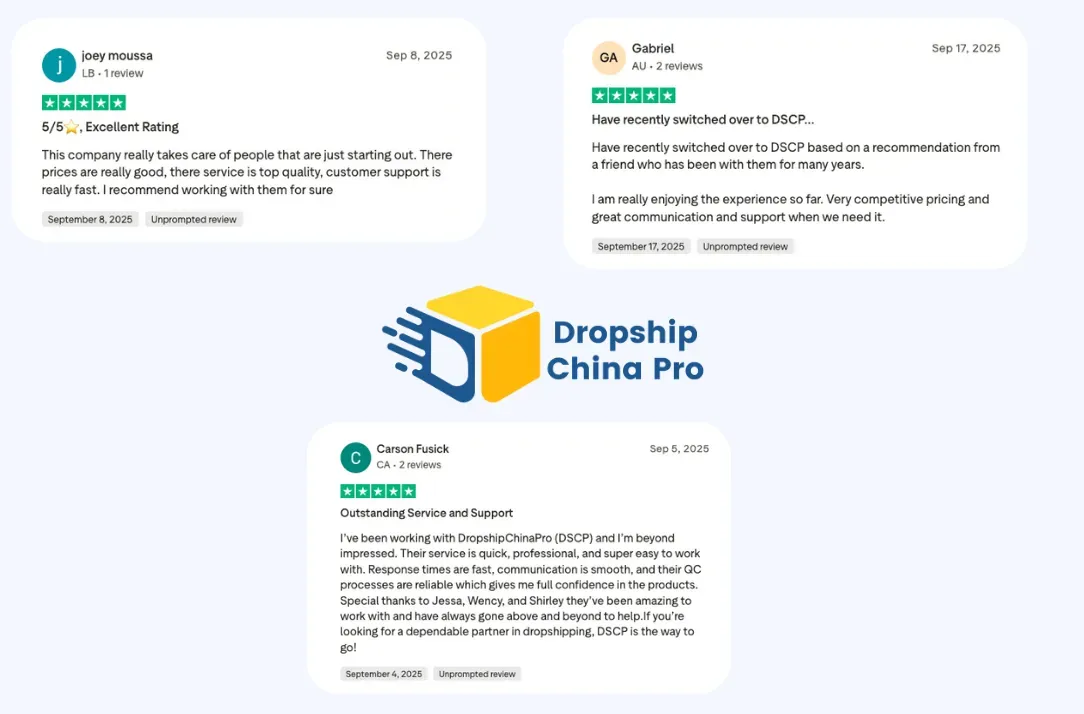
Professional fulfillment services have become crucial differentiators for successful dropshipping operations. Consider the experience of an e-commerce seller from California who emphasized the importance of responsive communication: “Working with Dropship China Pro has been excellent. Their team is always quick to reply, which gives me confidence and peace of mind.”
He continued: “They build trust through easy and efficient communication. Their customer service feels genuinely supportive, showing how much they value long-term relationships. Overall, Dropship China Pro is reliable, professional and focused on customers.”
Another business owner from Australia recently switched fulfillment providers based on recommendations from long-term users: “I am really enjoying the experience so far. Very competitive pricing and great communication and support when we need it.”
These experiences highlight how professional fulfillment partnerships enable businesses to focus on growth and marketing rather than logistics coordination. Quality control, responsive support and reliable delivery create the foundation for positive customer experiences that drive repeat purchases and sustainable growth.
A seller handling cross-border logistics shared: “Dropship China Pro provides professional and efficient services. Their team is responsive, easy to work with and flexible in meeting our warehousing needs. Whether it’s cross-border logistics or local delivery, they are reliable and detail-oriented. Working with them has boosted our supply chain efficiency and supported our business growth.”
Dropshipping Myths vs Reality
| Myth | Reality |
|---|---|
| Dropshipping is dead | Market growing at 23.4% annually |
| Get rich quick | Takes 6-12 months to profit |
| Need thousands to start | $500-$2,000 realistic startup |
| Must ship from China | US warehouses enable 2-4 day delivery |
| It’s illegal or scammy | Legitimate business model |
| Can’t compete with Amazon | Niche expertise beats scale |
| 90% failure rate | Most quit before 6 months |
Frequently Asked Questions About Dropshipping Myths
Is dropshipping dead in 2026?
No, dropshipping is not dead in 2026. The global dropshipping market reached $351.8 billion in 2024 and continues growing at 23.4% annually. While the market has matured, requiring better marketing and operations, specialized stores in profitable niches continue thriving.
Can you make money with dropshipping?
Yes, profitable dropshipping stores typically achieve 15-30% profit margins. Beginners might see $500-$2,000 monthly profit within 6-12 months, while established stores generate $5,000-$20,000+ monthly. Success depends on niche selection, marketing effectiveness and operational efficiency.
How long does it take to succeed with dropshipping?
Most successful dropshippers take 6-12 months to achieve consistent profitability. The first 3 months involve learning and testing, months 4-6 focus on optimizing successful products and after 12 months, established stores see predictable monthly revenue.
What are dropshipping success rates?
While exact statistics vary, most dropshipping failures occur within the first six months due to unrealistic expectations or treating it as passive income. Businesses that persist beyond twelve months, treat operations professionally and continuously optimize show significantly higher success rates.
Do I need thousands of dollars to start dropshipping?
No, realistic startup costs typically range from $500-$2,000, including platform subscription, domain, product samples, initial marketing and basic tools. This relatively low barrier to entry makes dropshipping accessible compared to traditional retail requiring inventory investment.
Ready to Start Your Dropshipping Journey?
If you’re considering dropshipping in 2026, focus on building a sustainable business rather than chasing quick wins. Success requires choosing profitable niches, building reliable supplier relationships, providing excellent customer service and continuously optimizing operations based on data.
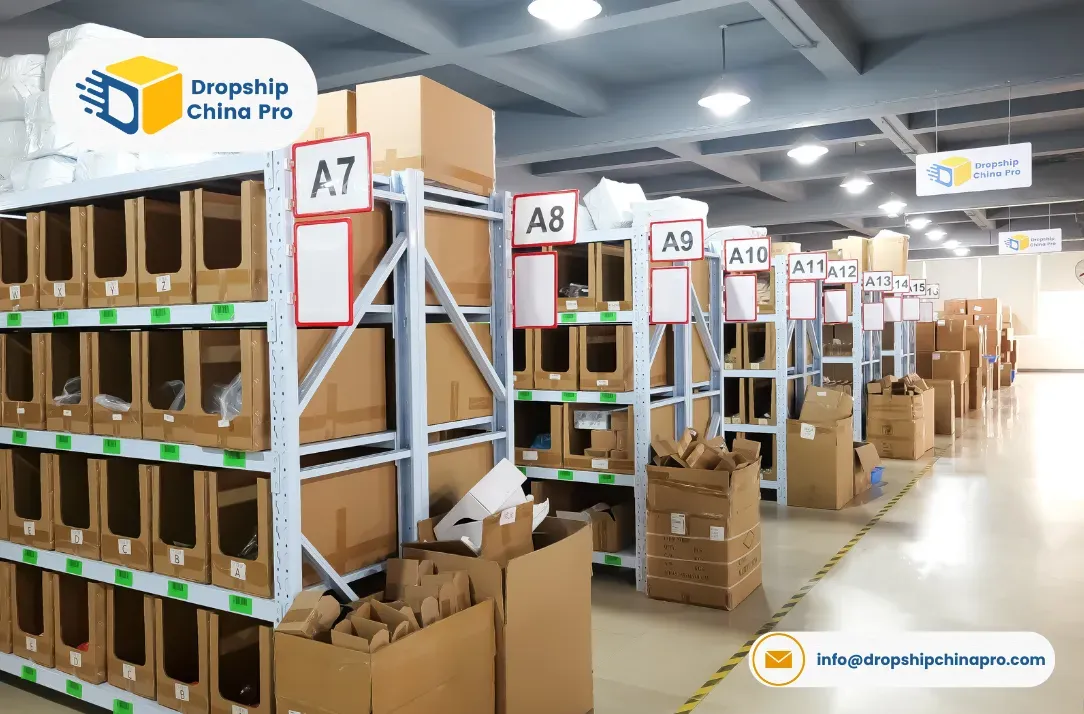
Professional fulfillment services can accelerate your growth by handling quality control, warehousing and fast shipping while you focus on marketing and customer relationships. Explore the Dropship China Pro Shopify app to see how hybrid fulfillment can give your store a competitive advantage.
Conclusion
The dropshipping myths we’ve explored reveal a common pattern: misconceptions arise from unrealistic expectations, outdated information, or the experiences of those who approached dropshipping casually rather than professionally.
The reality in 2026 is that dropshipping remains a viable, growing business model that offers genuine opportunities for entrepreneurs willing to invest time, effort and strategic thinking. The market continues expanding, new niches emerge constantly and modern fulfillment solutions have solved traditional challenges around shipping speeds and quality control.
Success won’t come from following get-rich-quick schemes or copying generic store templates. It requires identifying underserved niches, building relationships with reliable suppliers, providing exceptional customer experiences and treating operations as a real business deserving of consistent attention and optimization.
For those willing to approach dropshipping strategically, the opportunities in 2026 are stronger than ever. Market growth projections, evolving consumer behaviors and improving infrastructure create conditions where informed, dedicated entrepreneurs can build profitable, sustainable businesses.
The question isn’t whether dropshipping is dead but whether you’re willing to do what successful dropshippers do: commit to learning, persist through challenges, optimize continuously and focus on creating genuine value for customers rather than seeking shortcuts to easy money.
References
- AppScenic. (2024). 30+ Dropshipping Statistics You Need to Know in 2025.
- Grand View Research. (2024). Dropshipping Market Size, Share & Trends Analysis Report. Retrieved from grandviewresearch.com
- Oberlo. (2024). Dropshipping Market Size (2023-2033). Retrieved from oberlo.com
- Reddit. (2025). Is Dropshipping Dead in 2025? r/dropship Discussion. Retrieved from reddit.com
- Shopify. (2024). E-commerce Fulfillment Costs Analysis. Retrieved from shopify.com

Hi, I’m Yavuz. I help e-commerce businesses grow through strategic content and SEO. Here, I share insights on fulfillment solutions, 3PL partnerships, and digital marketing strategies based on real data and industry trends.